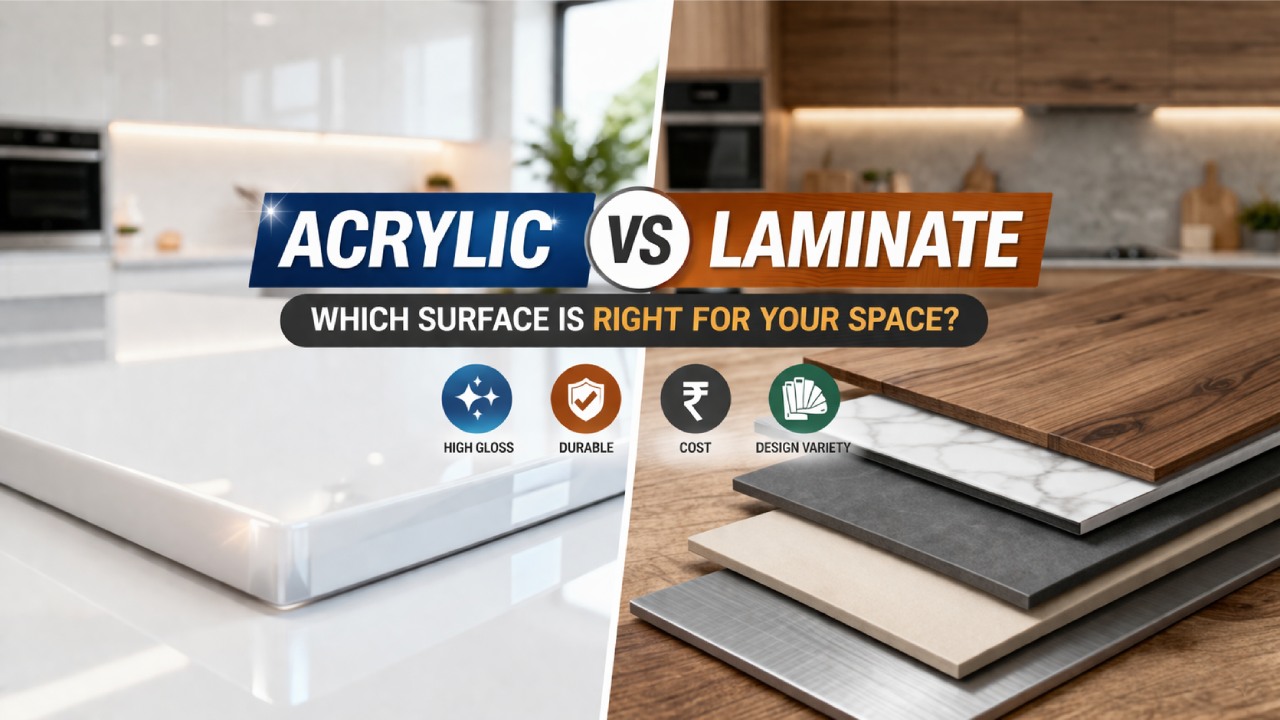
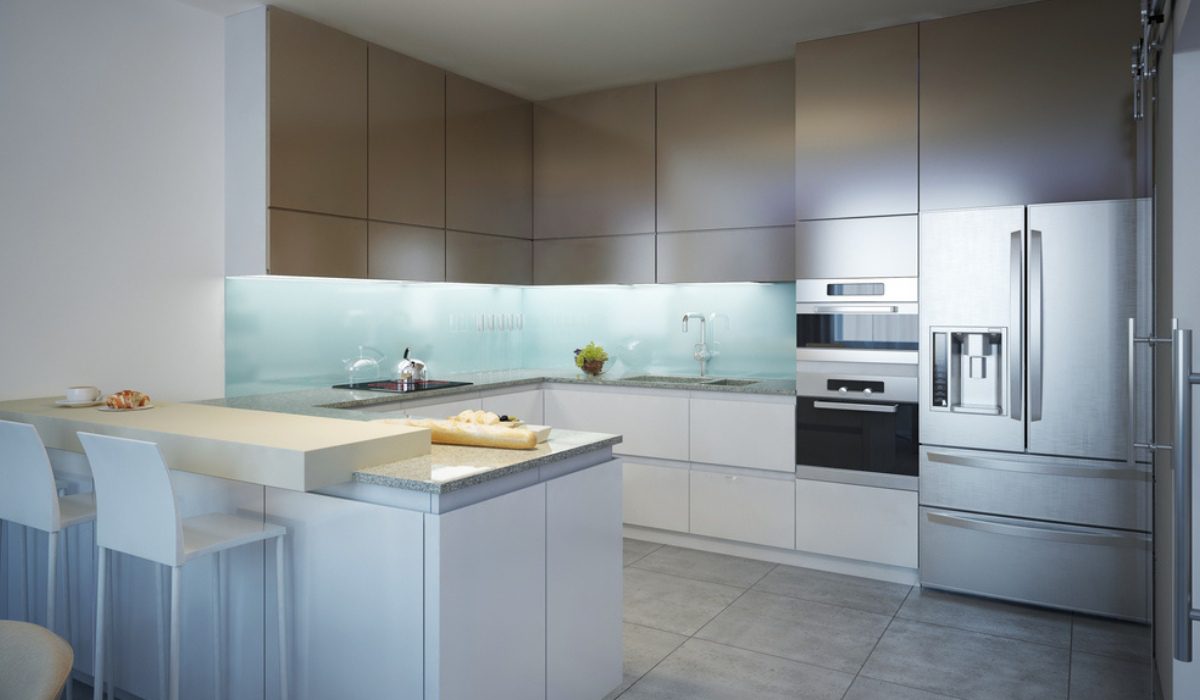
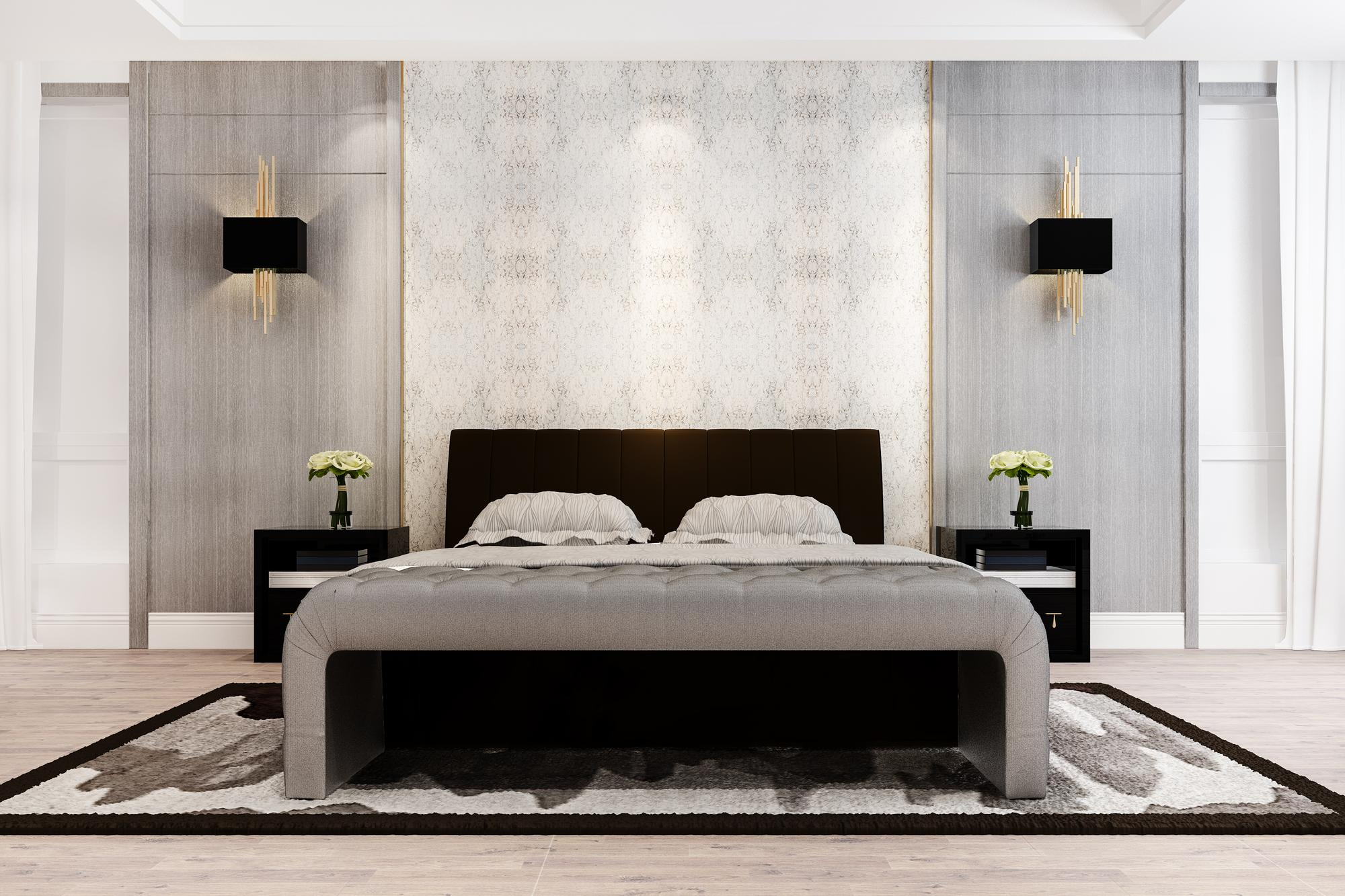
When it comes to choosing the right surface for your kitchen, wardrobe, or furniture — two options come up again and again: acrylic and laminate. Both are popular, both look great in the showroom, and both have their loyal advocates. But they are very different materials with very different strengths.
Whether you are comparing acrylic vs laminate for kitchen cabinets, trying to understand the acrylic vs laminate cost difference, or simply weighing up an acrylic sheet vs laminate for a furniture project — this guide covers everything you need to make the right decision with confidence.
What Are Acrylic and Laminate Surfaces?
Before diving into the comparison, it helps to understand what each material actually is.
What is acrylic?
Acrylic is a type of plastic (polymethyl methacrylate, or PMMA) applied as a thin sheet or coating over a substrate — typically MDF or plywood. It is known for its ultra-glossy, glass-like finish and deep, reflective colour. Acrylic sheets are manufactured by casting or extruding the plastic and then bonding them to the base board.
What is laminate?
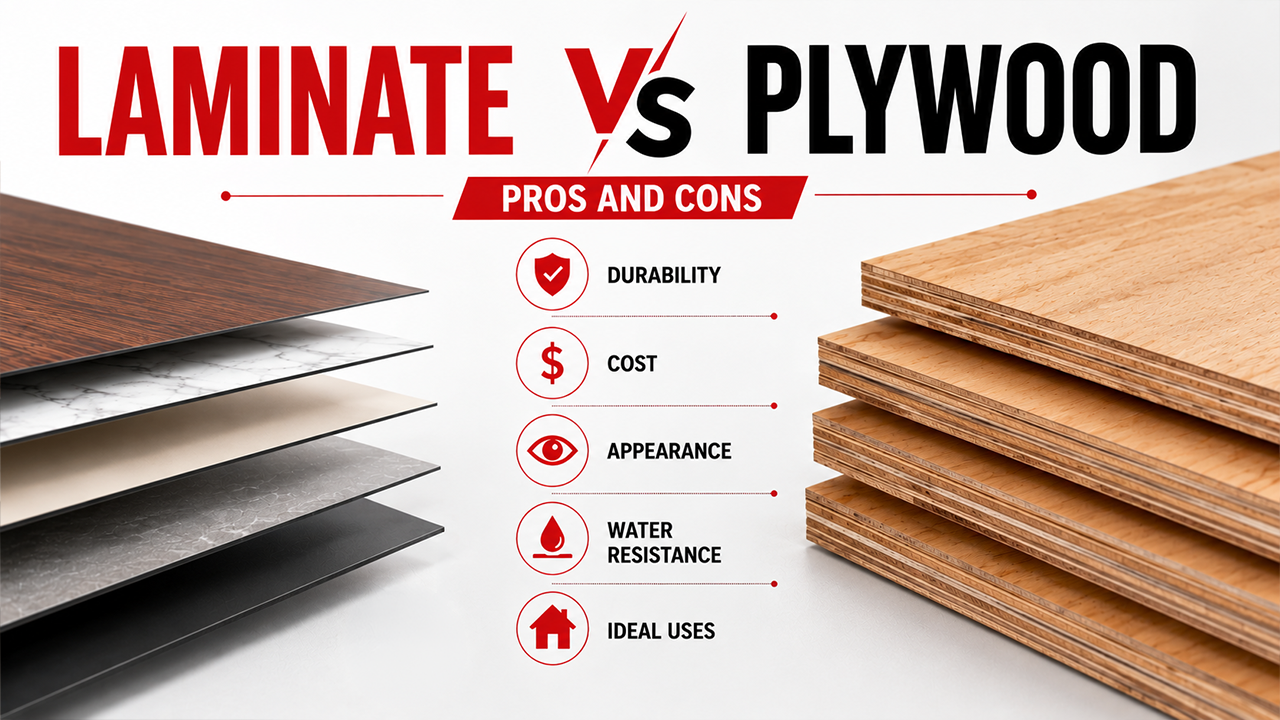
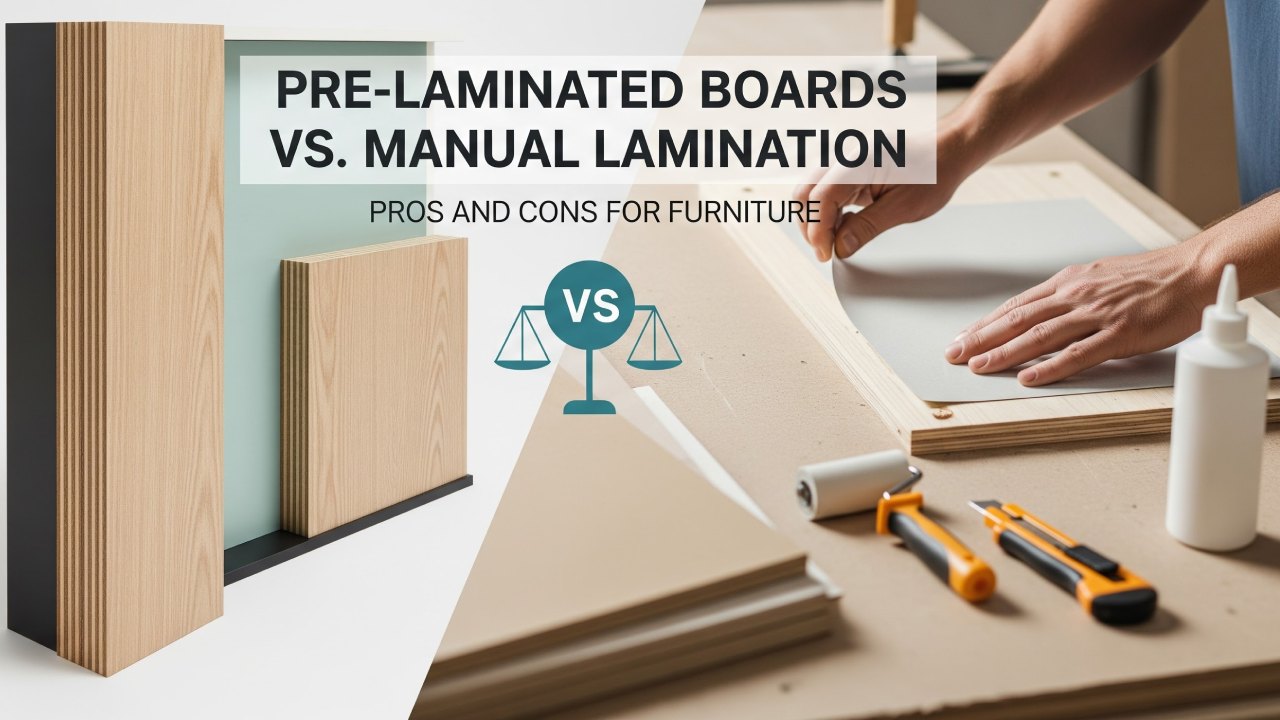
Laminate is a multi-layered surface material made by bonding together layers of resin-impregnated paper under high heat and pressure — a process that produces what is known as High Pressure Laminate (HPL). The result is a durable, hard-wearing sheet that can replicate wood, stone, metal, fabric, or abstract patterns with remarkable accuracy. Laminate is bonded to a substrate (MDF, particle board, or plywood) to create finished surfaces for furniture and interiors.
Note: Laminate and acrylic are both surface materials — neither is a structural material. They are applied over a core substrate to create the finished look and feel of furniture panels, cabinet doors, and wall cladding.
Key Differences: Acrylic vs Laminate
Here is a side-by-side comparison of the two materials across the factors that matter most:
| Feature |
Acrylic |
Laminate (HPL) |
| Finish |
High gloss only (mirror-like) |
Gloss, matte, texture, wood grain, stone, metallic and more |
| Durability |
Prone to scratches; softer surface |
Highly scratch and impact resistant |
| Heat Resistance |
Low — can warp or discolour under heat |
High — withstands moderate to high temperatures |
| Moisture Resistance |
Good — non-porous surface |
Good — especially with compact laminates |
| Design Variety |
Limited — solid colours and gloss only |
Vast — thousands of patterns, textures and finishes |
| Cost |
Higher |
Lower to moderate depending on grade |
| Maintenance |
Shows fingerprints and smudges easily |
Easy to clean; anti-fingerprint options available |
| Repairability |
Difficult — scratches are hard to fix |
Easier to replace panels if damaged |
| UV Resistance |
Moderate — can yellow over time |
High — especially with UV-stabilised laminates |
| Eco-friendliness |
Plastic-based; less sustainable |
Can be produced with low-emission, sustainable materials |
Acrylic vs Laminate Cost Difference
Cost is one of the most significant differences between these two materials — and it is a decisive factor for most projects.
Acrylic surfaces typically cost significantly more than laminate, both in terms of the material itself and installation. The acrylic sheets need to be precision-cut and carefully bonded, and any mistakes during installation are expensive to correct. For a full kitchen, the cost difference between acrylic and high-quality laminate can be substantial.
Laminate, by contrast, offers excellent value across a wide range of budgets. Entry-level decorative laminates are very affordable, while premium HPL grades — with advanced textures, anti-fingerprint coatings, or high-gloss finishes — are still considerably less expensive than acrylic for equivalent coverage.
Budget tip: If you love the look of a high-gloss, reflective surface but want to manage costs, high gloss laminate delivers a comparable aesthetic to acrylic at a fraction of the price — with better durability and far more design flexibility.
When calculating total cost, also factor in long-term maintenance. Acrylic's susceptibility to scratching means polishing products and extra care are needed to keep it looking pristine. Laminate requires no such upkeep beyond regular cleaning.
Acrylic vs Laminate for Kitchen
The kitchen is the most demanding environment any surface material will face — heat, steam, cooking oils, spills, and constant contact. Here is how acrylic and laminate perform in this critical setting.
Heat and steam resistance
This is where laminate has a clear advantage. Acrylic can warp, bubble, or discolour when exposed to sustained heat near hobs, ovens, or steam from cooking. HPL laminates are engineered to withstand high temperatures without damage, making them a safer and more practical choice for kitchen environments.
Scratch resistance
Acrylic is notoriously susceptible to scratches. Even everyday kitchen activity — placing utensils down, moving appliances — can leave visible marks on an acrylic surface. Laminate, particularly HPL, has a hard, resin-impregnated surface layer that resists scratching far more effectively.
Cleaning and hygiene
Both materials are non-porous and easy to wipe down. However, acrylic's ultra-reflective surface makes every fingerprint, smudge, and water mark immediately visible. Laminate — especially matte or textured finishes — is far more forgiving in a busy kitchen. For those who prefer gloss, Stylam's TouchMe Anti-Fingerprint Laminate offers the best of both worlds: a beautiful surface that resists smudges effortlessly.
Aesthetic longevity
Acrylic can yellow or lose its vibrancy over time, particularly with exposure to UV light and heat. Premium laminates are manufactured with UV-stable resins, maintaining their colour and finish for years without fading.
For kitchens, laminate is the stronger all-round performer — more heat resistant, more scratch resistant, easier to maintain, and available in a far wider range of finishes to suit every kitchen style.
Acrylic vs Laminate Kitchen Cabinets
When it comes specifically to kitchen cabinet doors and carcasses, the choice between acrylic and laminate shapes both the look and the longevity of your kitchen.
Acrylic cabinet fronts deliver a striking, mirror-like appearance that photographs beautifully and creates a sense of depth and luxury in a modern kitchen. However, they require careful handling during installation (they chip at edges if mishandled), are harder to repair if damaged, and the ultra-gloss surface can make a kitchen feel cold or clinical if not balanced with warmer elements.
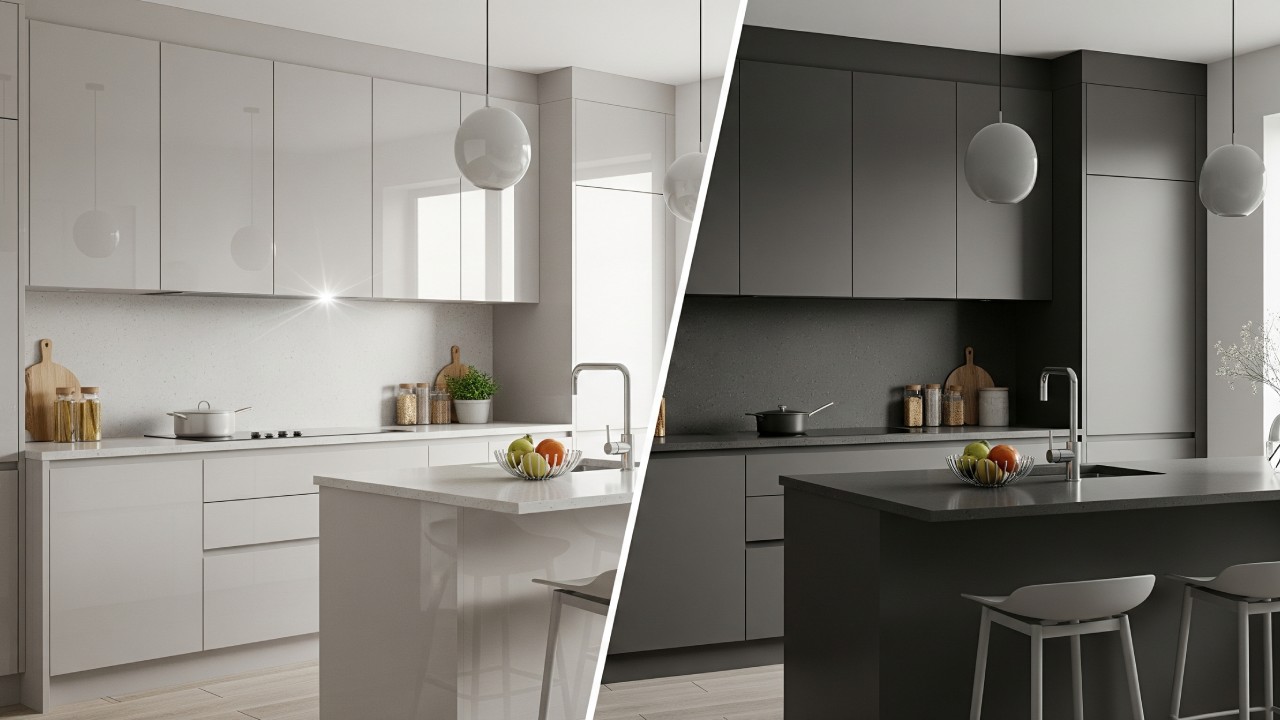
Laminate kitchen cabinets offer far greater versatility. You can achieve the same high-gloss look with gloss laminate, or opt for a wood grain, stone effect, matte, or textured finish that adds warmth and character. Laminate cabinet doors are also more resistant to the knocks and scratches that inevitably occur in a working kitchen.
For kitchen cabinets specifically, consider these laminate options:
- High Gloss Laminate — for a sleek, contemporary look that rivals acrylic aesthetics
- Wood Grain HPL — for warmth and natural texture in Scandi or classic kitchen styles
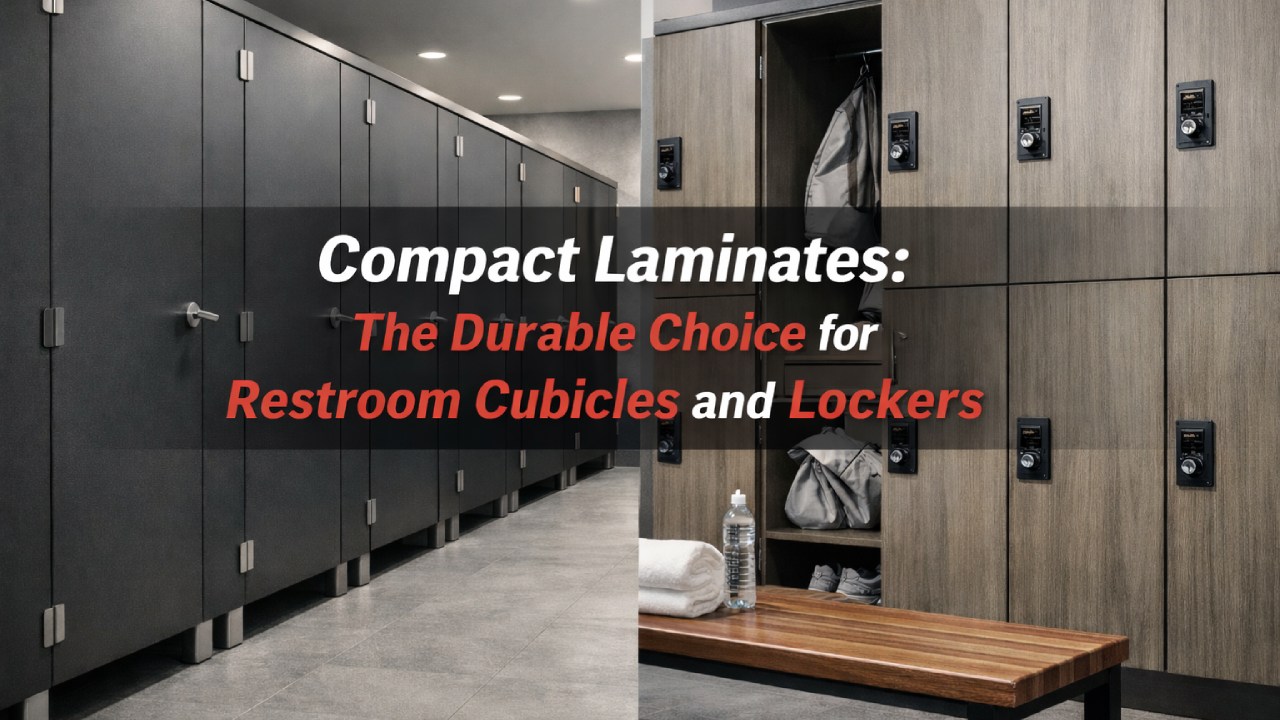
- Compact Laminate (Kitchenate) — for maximum durability in high-use cabinet applications
- TouchMe Anti-Fingerprint Laminate — for cabinets that stay looking clean with minimal effort
High Gloss Laminate vs Acrylic
One of the most common comparisons is specifically high gloss laminate vs acrylic — because for many people, the appeal of acrylic is primarily its mirror-shine finish. So can high gloss laminate match it?
The answer is: almost entirely — and in most practical respects, high gloss laminate is the superior choice.
Modern high gloss laminates achieve a reflective, polished finish that is visually very close to acrylic. The key differences are:
- Acrylic has a slightly deeper, more liquid-looking gloss due to the thickness of the plastic layer — in a showroom under ideal lighting, it may look marginally more luxurious
- High gloss laminate is harder, more scratch-resistant, more heat-resistant, and substantially more affordable
- High gloss laminate is available in a much wider range of colours and can be combined with other finishes in the same space
- High gloss laminate does not yellow, warp, or degrade with age the way acrylic can
For the vast majority of residential and commercial projects, high gloss laminate delivers the aesthetic impact of acrylic with significantly better practical performance.
Pros and Cons Summary
| Material |
Pros |
Cons |
| Acrylic |
✔ Distinctive, deep mirror gloss finish
✔ Non-porous and hygienic surface
✔ Can look highly luxurious in the right setting |
✖ Scratches easily and is difficult to repair
✖ Poor heat resistance — not ideal near hobs or ovens
✖ Shows fingerprints and smudges constantly
✖ Significantly more expensive than laminate
✖ Limited design range — gloss solid colours only
✖ Can yellow or discolour over time |
| Laminate (HPL) |
✔ Extremely durable and scratch resistant
✔ Vast design range — wood, stone, gloss, matte, texture, metallic and more
✔ Excellent heat and moisture resistance
✔ Very cost-effective across all budget levels
✔ Low maintenance — easy to clean, anti-fingerprint options available
✔ Sustainable and eco-friendly manufacturing options |
✖ Standard gloss laminate may not achieve the exact same depth of shine as acrylic
✖ Edges need proper finishing to avoid moisture ingress on standard grades |
Which Should You Choose?
The right choice depends on your priorities, your space, and your budget. Here is a simple guide:
Choose acrylic if: you are designing a high-end, low-traffic space where aesthetics are the priority and you are prepared to invest in careful maintenance. Acrylic can work beautifully in a bedroom wardrobe or a display unit where heat, scratching, and heavy use are not concerns.
Choose laminate if: you want a durable, versatile, and cost-effective surface for kitchens, bathrooms, office furniture, or any space that sees regular use. Laminate gives you more design freedom, better practical performance, and excellent long-term value.
Choose high gloss laminate specifically if: you love the look of acrylic but want better durability, lower cost, and a finish that will look as good in five years as it does on day one.
Frequently Asked Questions
Is acrylic better than laminate for kitchens?
Generally, laminate is the better choice for kitchens. It offers superior heat resistance, scratch resistance, and is much easier to maintain. Acrylic looks stunning but is vulnerable to heat near hobs and scratches easily from everyday kitchen activity.
What is the cost difference between acrylic and laminate?
Acrylic is significantly more expensive than laminate, both in material cost and installation. For a full kitchen, laminate can cost considerably less than acrylic for equivalent coverage — while offering better durability and a wider range of finishes.
Can high gloss laminate replace acrylic?
Yes, in most practical applications high gloss laminate is an excellent alternative to acrylic. It delivers a very similar reflective finish, is harder and more scratch resistant, handles heat better, and costs significantly less.
Which lasts longer — acrylic or laminate?
High quality HPL laminate typically lasts longer in practical use. Acrylic can scratch, warp, and yellow over time, while premium laminates maintain their appearance and structural integrity for many years with minimal maintenance.
Is acrylic or laminate better for kitchen cabinets?
Laminate is generally better for kitchen cabinets due to its superior scratch resistance, heat tolerance, and wide range of finishes. High gloss laminate can achieve a very similar aesthetic to acrylic cabinet doors at a lower cost and with better durability.
What is the difference between an acrylic sheet and a laminate sheet?
An acrylic sheet is a plastic (PMMA) product offering a high-gloss, mirror-like finish but limited design variety and prone to scratching. A laminate sheet is a multi-layer resin-impregnated paper product bonded under high pressure, offering a vast range of finishes with superior durability.
Conclusion
Both acrylic and laminate have their place in modern interiors — but for most applications, especially kitchens and high-use furniture, laminate is the smarter, more versatile, and more durable choice. It offers equivalent or superior aesthetics, far better practical performance, and significantly better value for money.
If it is the high-gloss look you are after, today's high gloss laminates come remarkably close to acrylic — without the scratching, the heat sensitivity, or the premium price tag. And if you want wood, stone, matte, or textured finishes, laminate opens up a world of design possibilities that acrylic simply cannot match.
Explore Stylam's extensive range of HPL, high gloss, compact, and specialty laminates to find the perfect surface for your next project.
Ready to find the perfect laminate for your kitchen or interior project?
Try the Stylam Laminate Finder
Read More