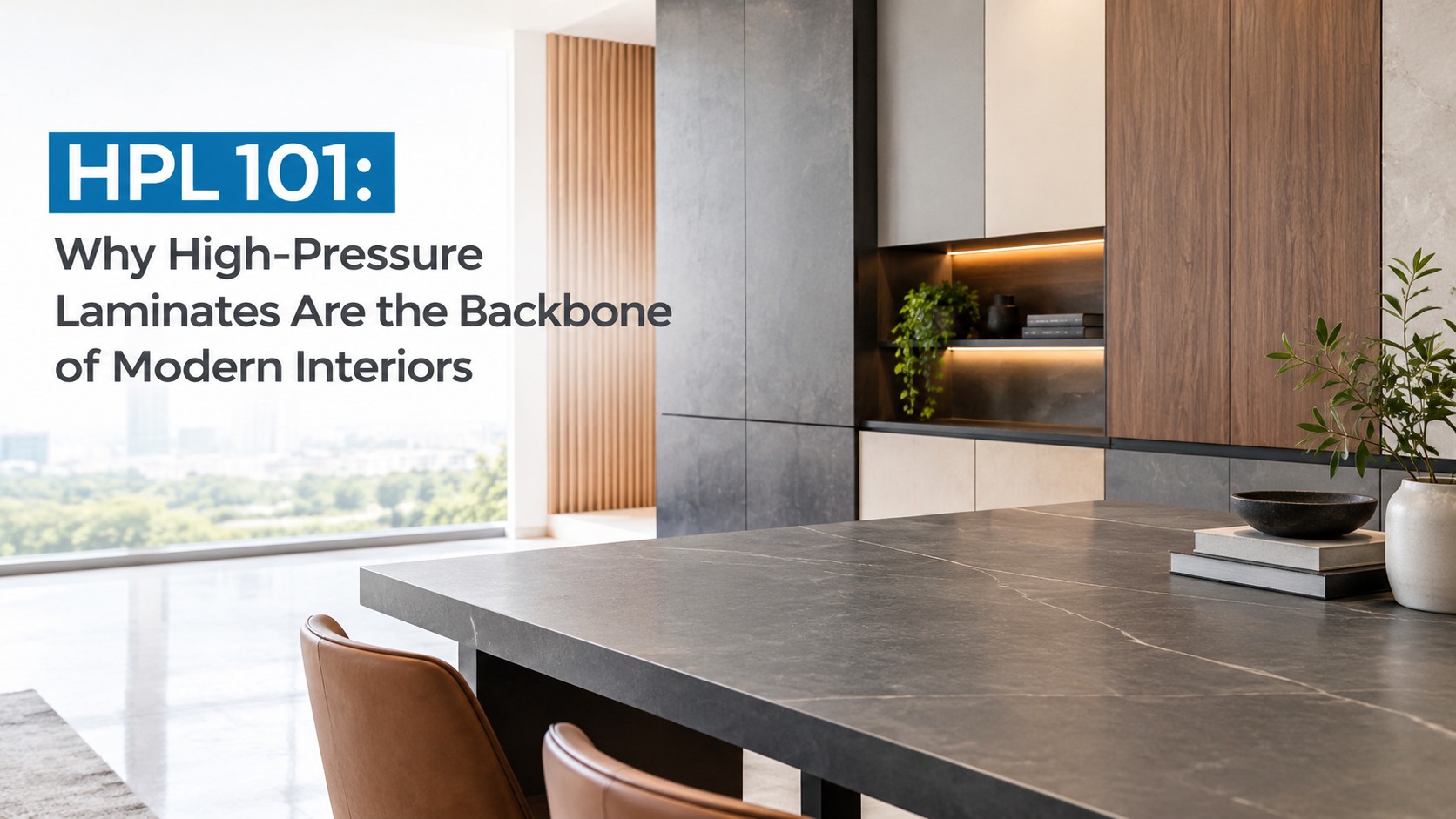
If you've ever touched a laminate desk, kitchen cabinet, or office partition, there's a good chance it was made from HPL — High-Pressure Laminate. It's one of the most widely used surface materials in modern construction and furniture manufacturing, yet most people who use it every day couldn't explain what it actually is or why it performs the way it does.
This guide covers everything you need to know: what HPL laminate is, how an HPL sheet is actually made, and why it's become the default surface material across residential, commercial, and institutional interiors.
What Is HPL Laminate?
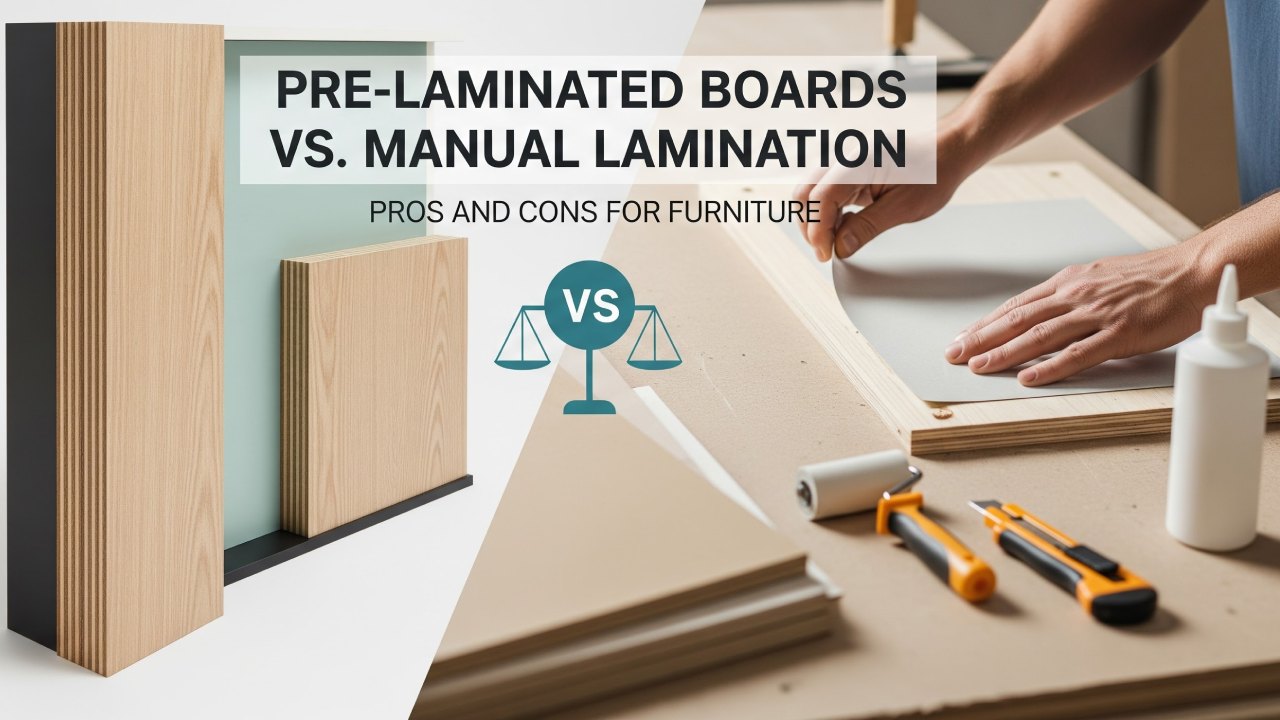
High-Pressure Laminate is a durable, multi-layer surface material made by fusing layers of resin-saturated kraft paper and a decorative design layer under extreme heat and pressure. The result is a hard, dense sheet that's bonded onto a substrate — typically particleboard, MDF, or plywood — to create furniture, cabinetry, wall panels, and countertops.
Unlike paint or veneer, HPL isn't just a surface coating — it's a genuinely durable material layer in its own right, engineered specifically to resist the daily wear that interior surfaces face.
How Is an HPL Sheet Made?
Understanding the manufacturing process explains most of what makes HPL perform the way it does. A typical HPL sheet is built from four layers:
- Overlay — A transparent protective layer on top that shields the design beneath from scratches, stains, and UV fading.
- Decor paper — The layer that carries the actual design — woodgrain, marble, solid color, or pattern — printed at high resolution.
- Underlay (optional) — An additional layer sometimes used to enhance dimensional stability or opacity.
- Kraft paper core — Multiple layers of brown kraft paper saturated with phenolic resin, forming the structural bulk of the sheet.
These layers are stacked and pressed together under intense heat (typically well above 140°C) and extremely high pressure — in the range of 1,000+ psi — for an extended period. This process, known as thermosetting, permanently fuses the resin and paper into a single, rigid, non-reversible sheet. It's this high-pressure fusion process that gives HPL its name — and its durability.
Why HPL Became the Industry Standard
Durability
The resin-saturated core and protective overlay combine to resist scratches, impact, and everyday wear far better than painted or veneered surfaces.
Design Versatility
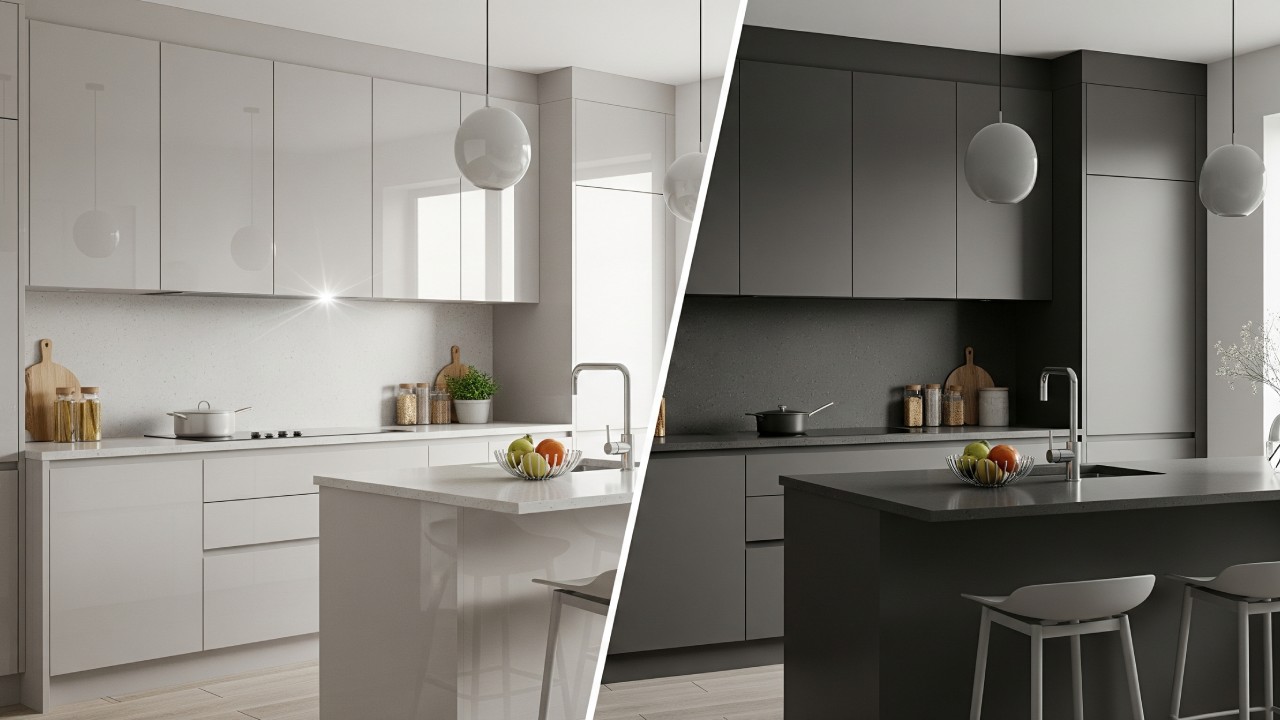
Because the decorative layer is printed rather than physically textured from a natural material, HPL can replicate an enormous range of looks — woodgrains, marbles, abstract patterns, solid colors, and fabric textures — all with consistent quality across every sheet.
Consistency
Natural materials like wood and stone vary from piece to piece. HPL offers controlled, repeatable consistency — important for large commercial projects where matching finishes across dozens or hundreds of units matters.
Cost-Effectiveness
HPL delivers the visual impact of premium natural materials at a fraction of the cost, making high-end design aesthetics accessible for a much wider range of projects and budgets.
Low Maintenance
HPL surfaces are simple to clean, resist staining, and don't require the sealing, polishing, or specialized care that natural materials like wood or stone often demand.
HPL Performance Standards
HPL isn't a loosely defined category — it's governed by recognized industry standards that specify performance requirements for wear resistance, impact resistance, heat tolerance, and more. In North America, NEMA LD 3 — published by the National Electrical Manufacturers Association — is the benchmark standard for high-pressure decorative laminates, covering everything from boiling water resistance to scratch and impact testing. Internationally, equivalent standards like ISO 4586 serve the same purpose. When specifying HPL for a commercial project, checking that a manufacturer's product meets these recognized performance benchmarks is good practice.
HPL's Many Décor Families
One of HPL's biggest strengths is the sheer range of looks achievable within a single material category. Common décor families include:
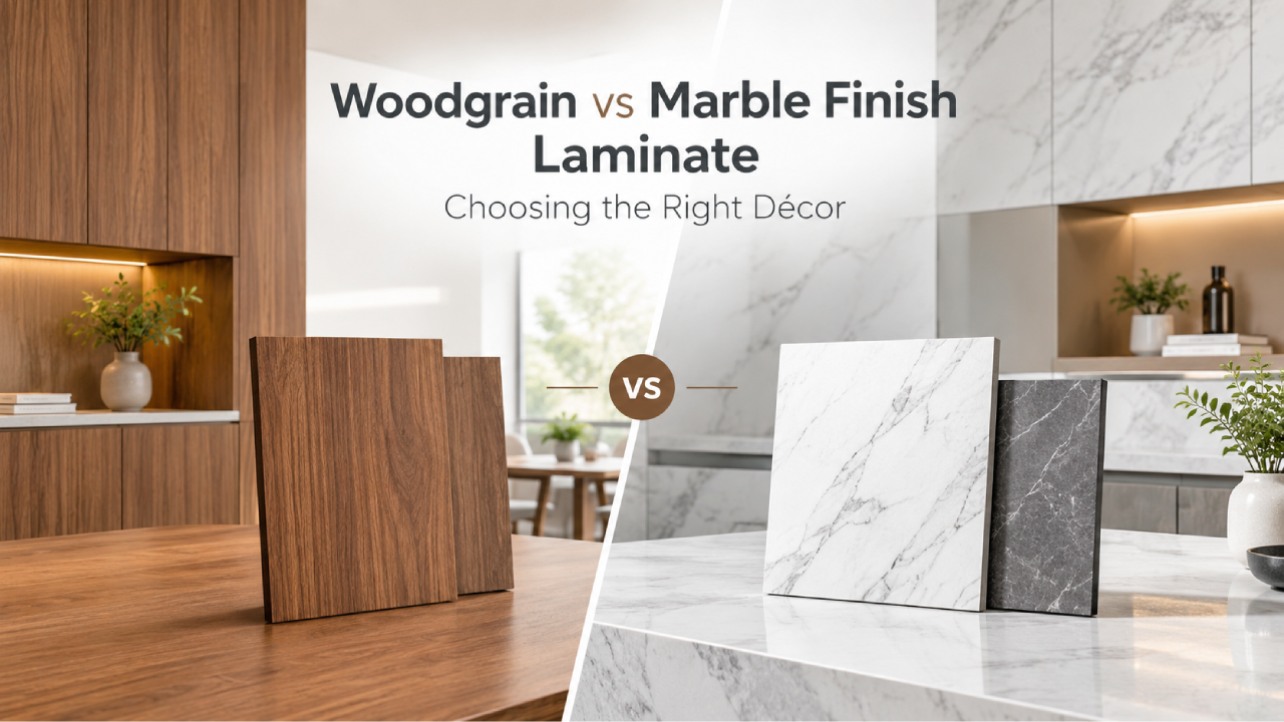
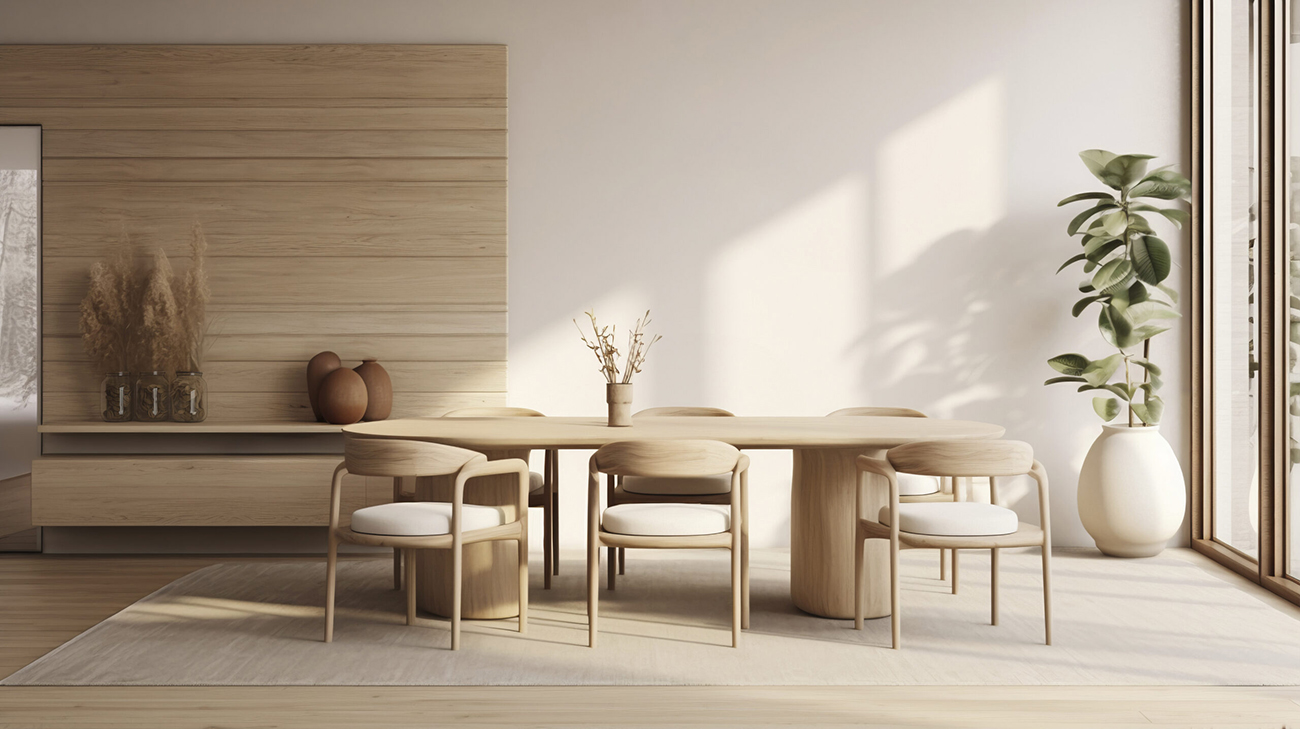
- Woodgrain — natural timber textures, from rustic to refined
- Marble — the veining and depth of natural stone
- Abstract — bold, contemporary patterns
- Fabric — textile-inspired textures
- Solids — clean, minimalist colors
- Patterns — geometric and decorative repeats
- Synchro — woodgrain with a textured surface that mimics real wood underfoot and under the hand
Where HPL Is Used
HPL's versatility means it shows up almost everywhere in modern interiors:
- Residential and commercial furniture — desks, cabinets, wardrobes
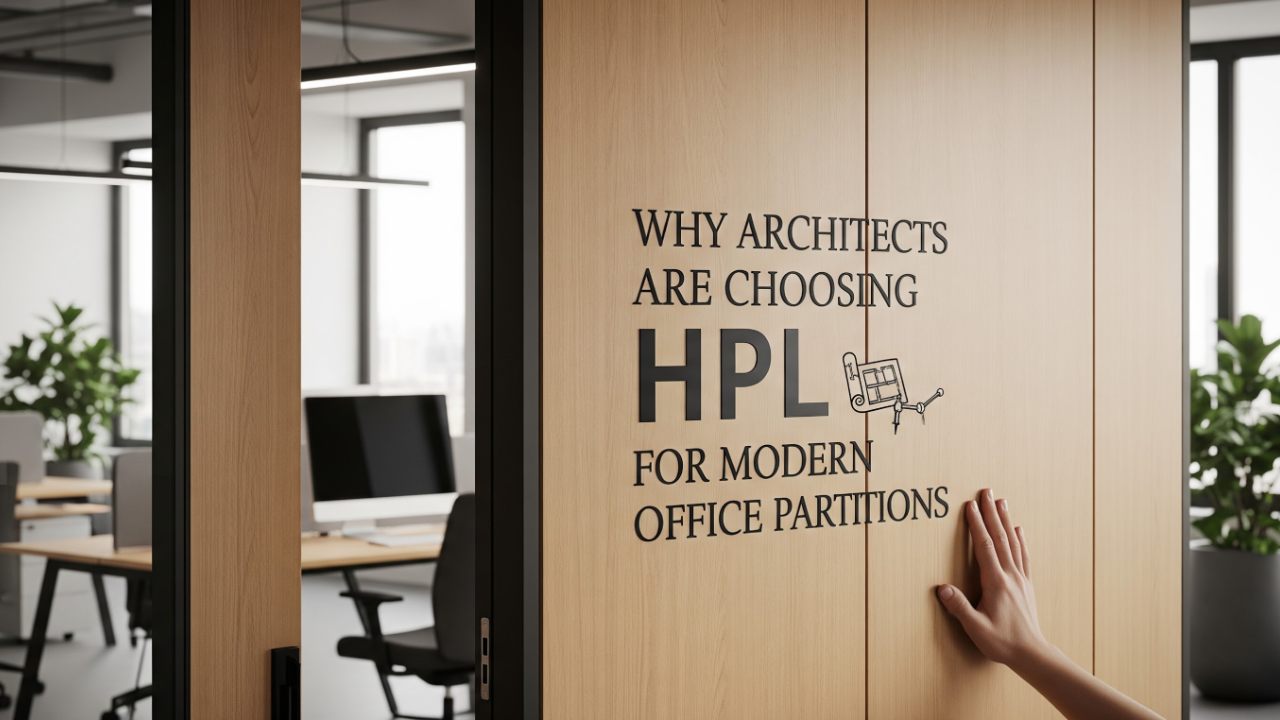
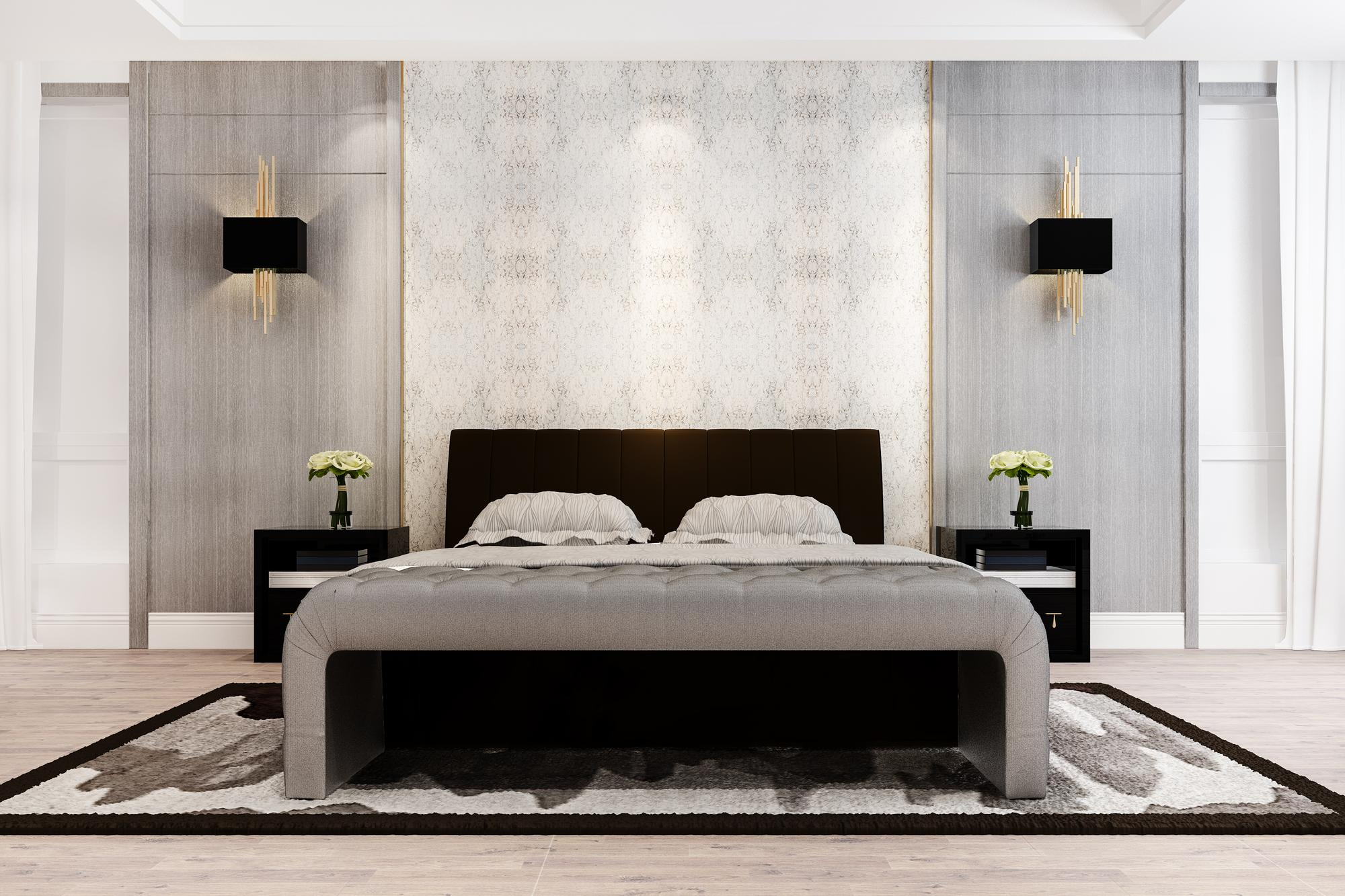
- Wall paneling and partitions
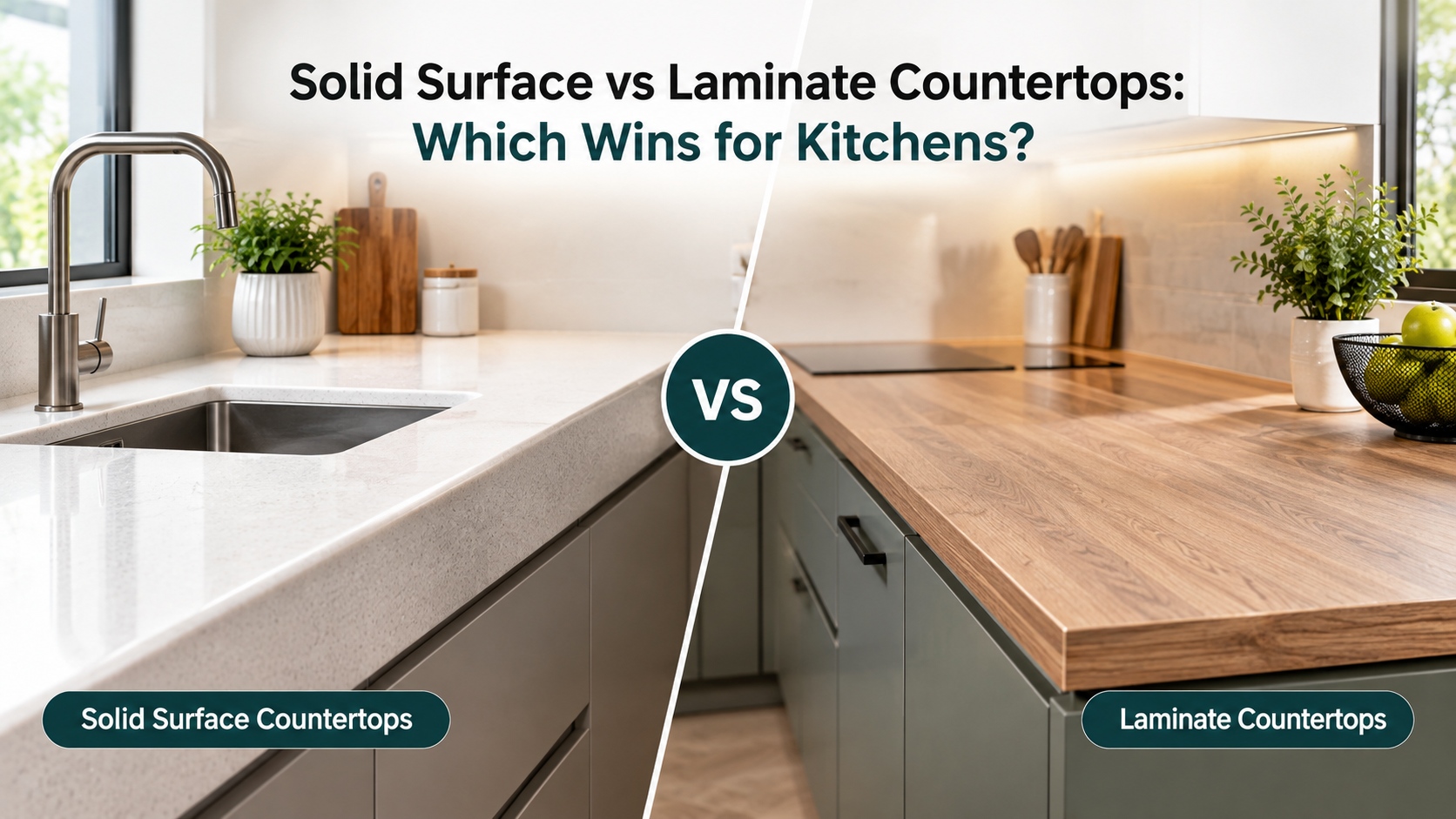
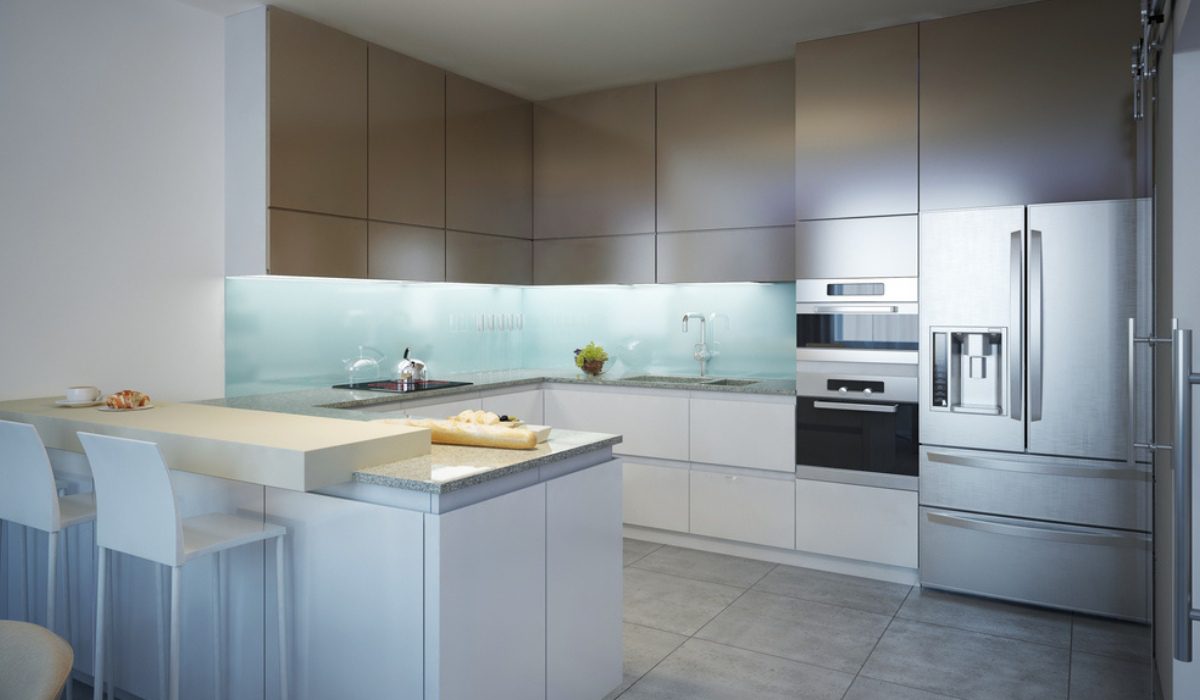
- Kitchen countertops (typically bonded to a substrate)
- Door faces and shutters
- Retail fixtures and display units
- Educational and institutional furniture
HPL vs Other Laminate Types
It's worth knowing where HPL sits relative to other laminate categories:
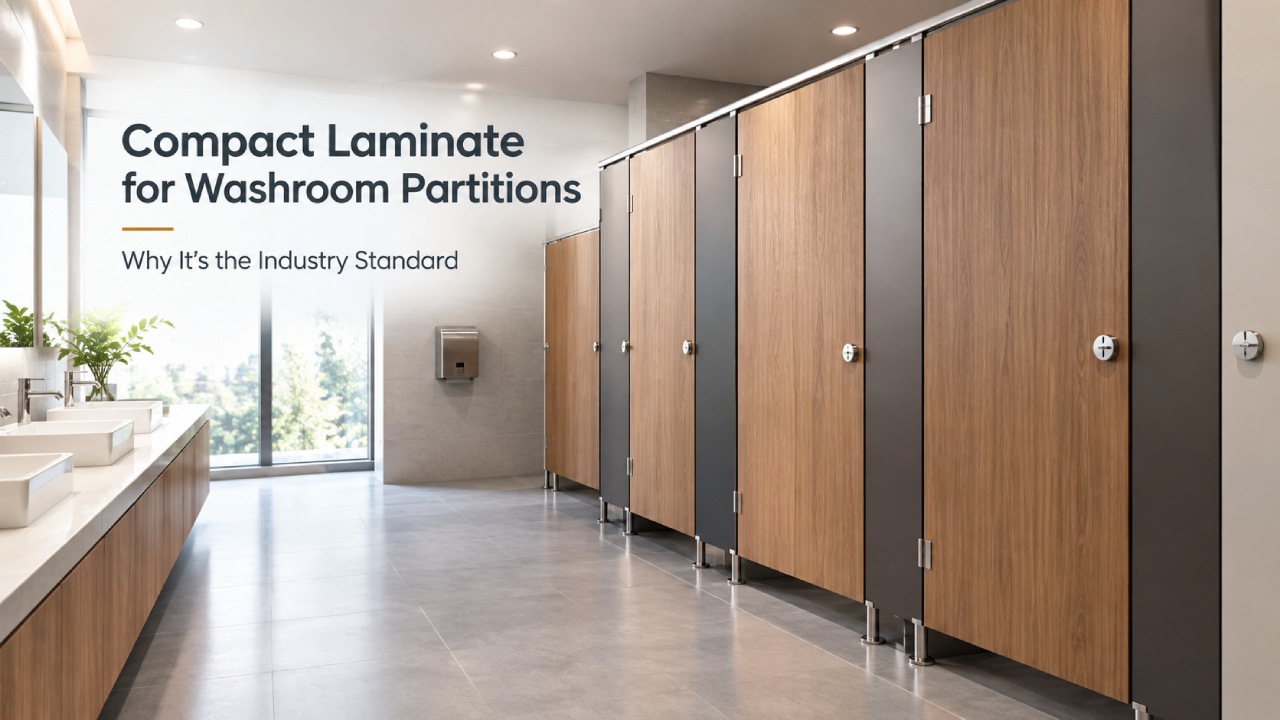
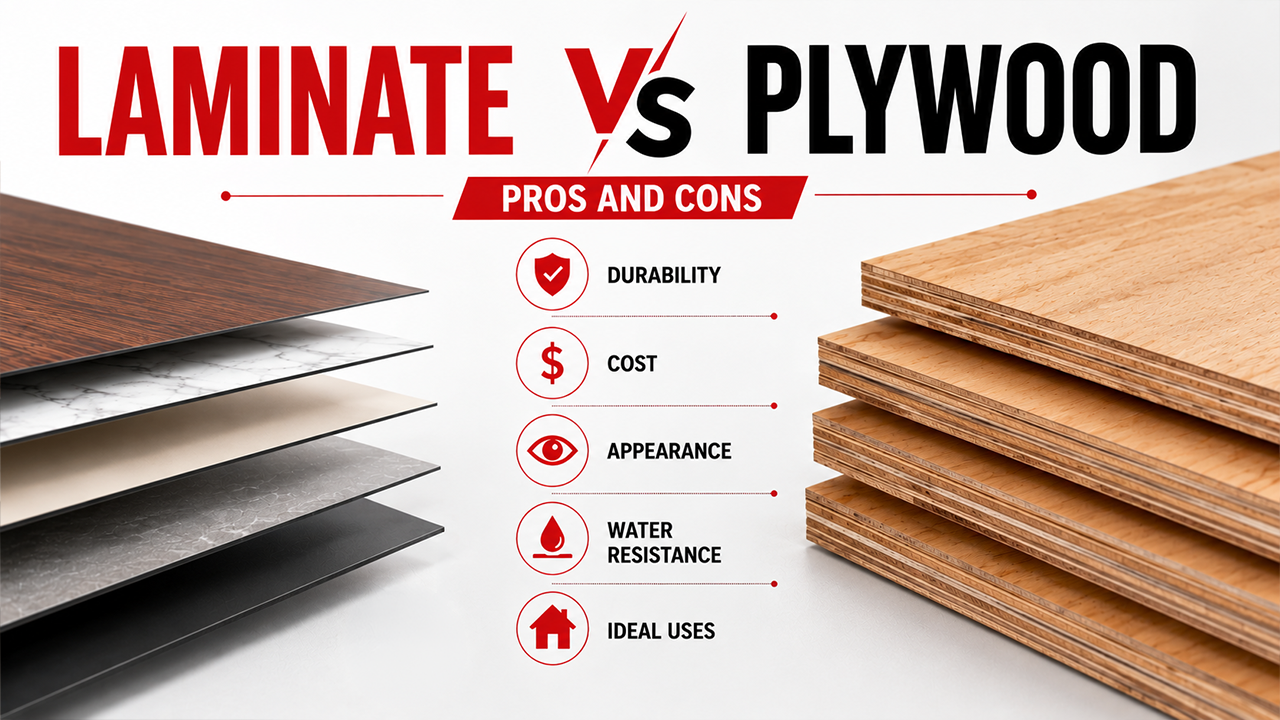
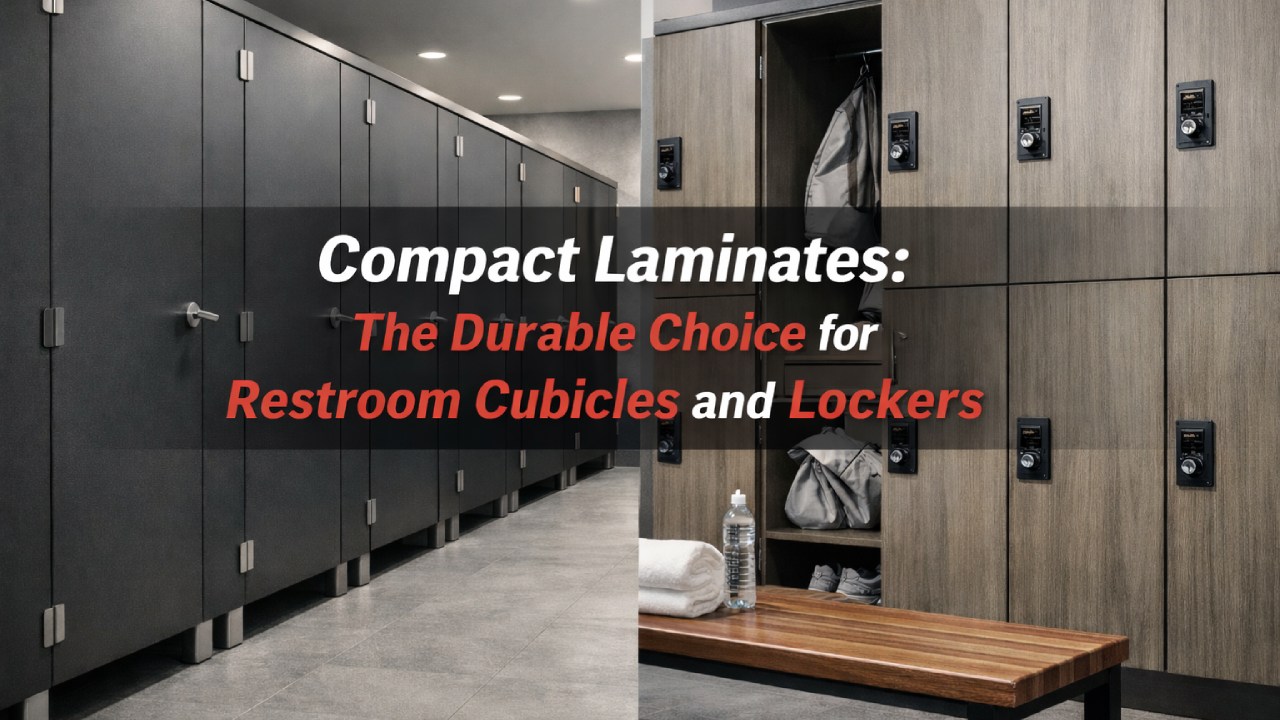
- Compact laminate is essentially a thicker, self-supporting version of the same core technology — dense enough to stand on its own without a substrate, making it suitable for partitions and cladding. See how compact laminate compares to plywood here.
- Low-pressure laminate (melamine) uses a simpler, lower-cost process, resulting in a thinner, less durable surface typically used for lower-traffic applications.
Explore Stylam's HPL Range
Stylam's HPL collection offers over 1,200 designs across all major décor families, manufactured to meet recognized industry performance standards for furniture, walls, and interior surfaces of every kind.
Final Thoughts
HPL has earned its place as the backbone of modern interiors for a straightforward reason: it solves the durability, consistency, and cost problems that natural materials can't, without sacrificing design range. Whether you're specifying furniture, wall panels, or countertops, understanding how HPL is made — and what standards it should meet — makes it much easier to choose the right product for your project.
Ready to explore décor options? Browse Stylam's full HPL range to compare woodgrain, marble, and other finishes side by side.
Related Reading