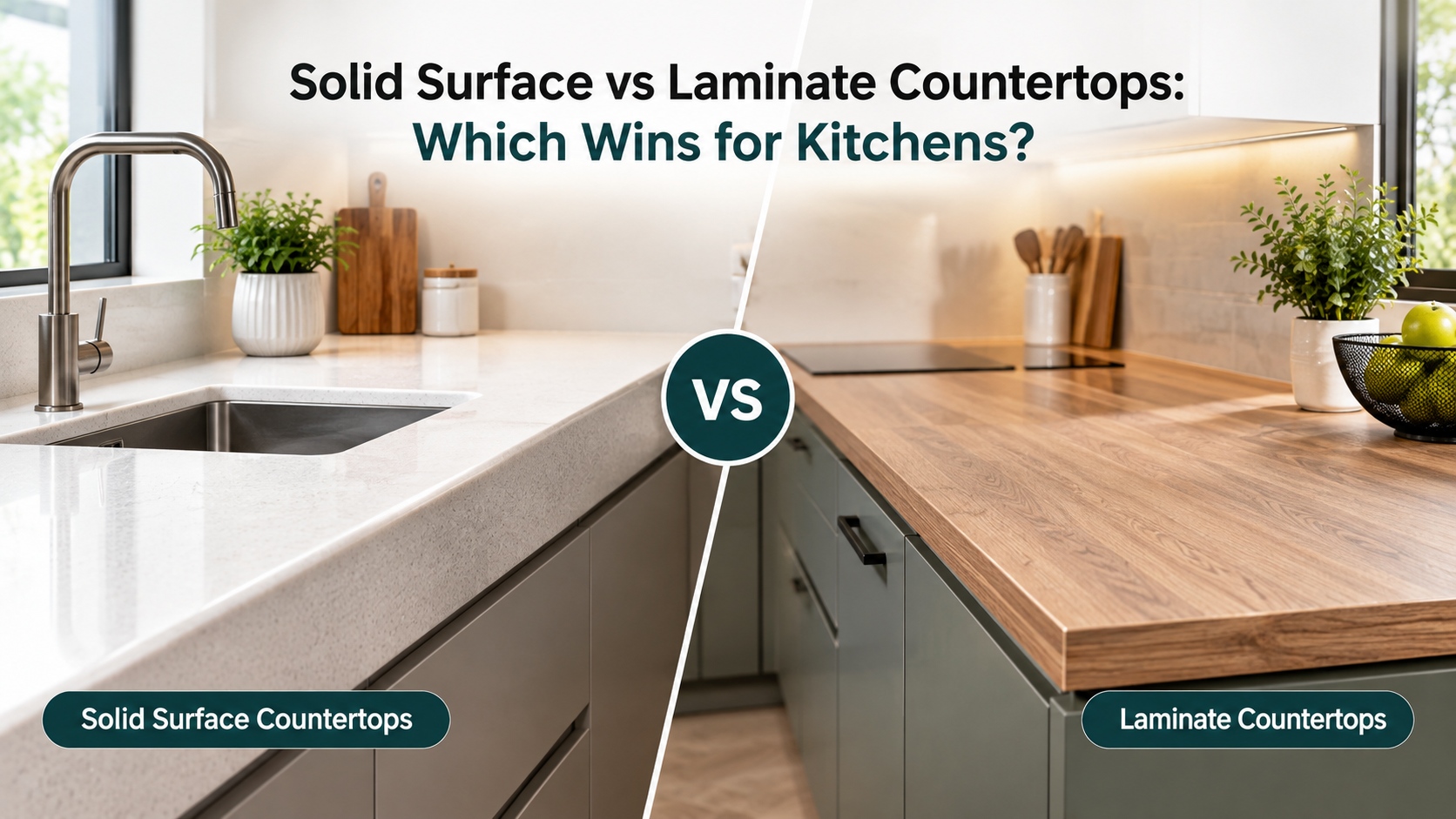
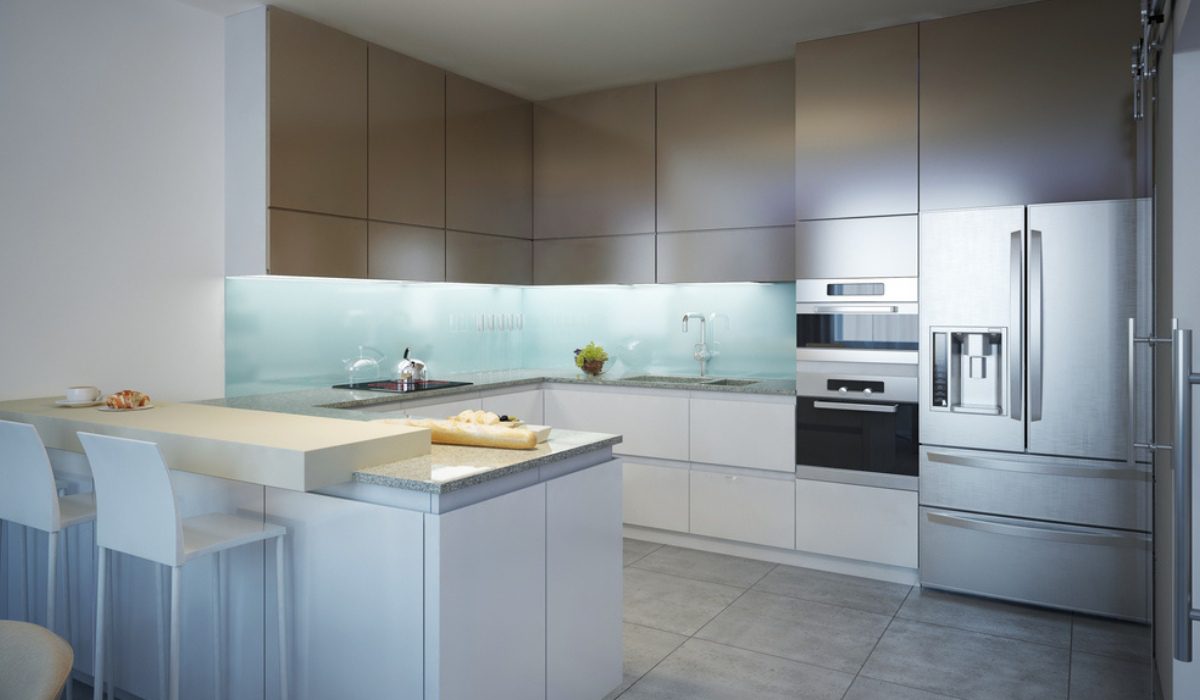
Kitchen countertops take more daily punishment than almost any other surface in a home or commercial kitchen — knife cuts, hot pans, spills, and constant cleaning. Two of the most popular material choices, solid surface and laminate, both hold up well, but they solve the problem in very different ways. Choosing between them comes down to understanding exactly how each one performs where it matters most.
This guide compares solid surface vs laminate countertops across the factors that actually affect day-to-day kitchen use — seams, hygiene, repairability, design flexibility, and cost.
What's the Difference?
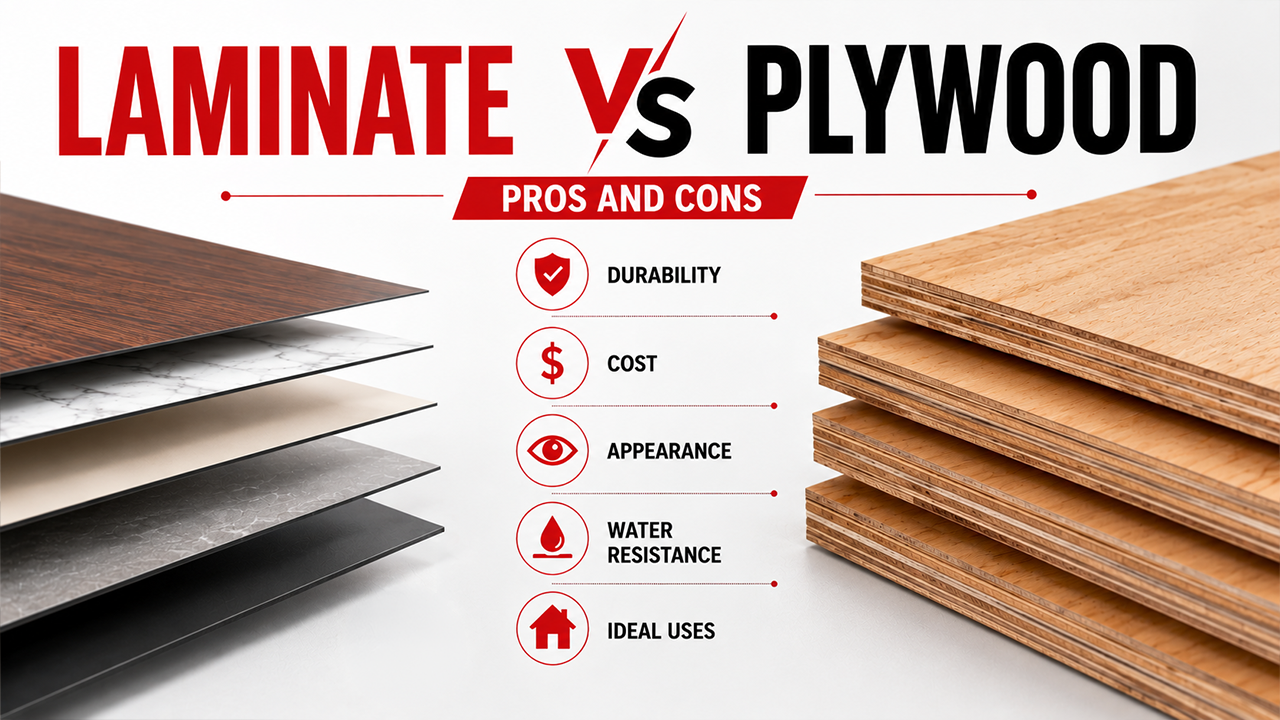
Laminate countertops are made from a high-pressure laminate (HPL) surface bonded to a substrate, typically particleboard or plywood. The decorative layer sits on top, which means the countertop's visible surface is a thin, durable layer over a different core material.
Solid surface countertops, like Stylam's Granex, are made from a homogeneous acrylic material — the color and composition run consistently through the entire panel, not just the top layer. This single difference in construction is what drives most of the practical differences between the two materials.
Seams and Visual Continuity
This is where solid surface has a clear structural advantage. Because solid surface sheets can be thermoformed and seamed almost invisibly, countertops — even large or curved ones — can be fabricated with virtually no visible joints. Laminate countertops, by contrast, are installed in sheet form with visible seams wherever sections meet, particularly around sinks, corners, and long runs.
For kitchens where a completely seamless, uninterrupted look matters — large islands, curved counters, integrated sinks — solid surface is generally the stronger choice.
Hygiene and Cleanability
Both materials are relatively easy to clean, but solid surface has an edge in hygiene-sensitive settings. Its non-porous composition, combined with the absence of visible seams, means there are no joints or crevices where bacteria, moisture, or food particles can collect — a meaningful advantage in commercial kitchens, healthcare facilities, and food service environments.
This is also why countertop materials for food-contact surfaces are often evaluated against standards like NSF/ANSI 51, which governs food equipment materials and ensures a surface won't harbor bacteria or leach substances into food under normal use. Non-porous solid surface materials are well positioned to meet this kind of standard; laminate can perform well here too, provided seams and edges are properly sealed during installation.
Repairability
This is one of solid surface's most distinctive advantages. Because the material is consistent all the way through, minor scratches, burns, or damage can often be sanded down and restored to a like-new appearance — something that simply isn't possible with laminate, where damage to the thin decorative layer exposes the substrate underneath and typically requires full panel replacement.
Impact and Heat Resistance
Solid surface generally offers better impact resistance and can tolerate brief, moderate heat exposure better than laminate, though neither material should be treated as fully heatproof — trivets are still recommended for both. Laminate performs well against everyday scratches and impacts but is more vulnerable to damage at edges and seams where the substrate can be exposed.
Design Flexibility
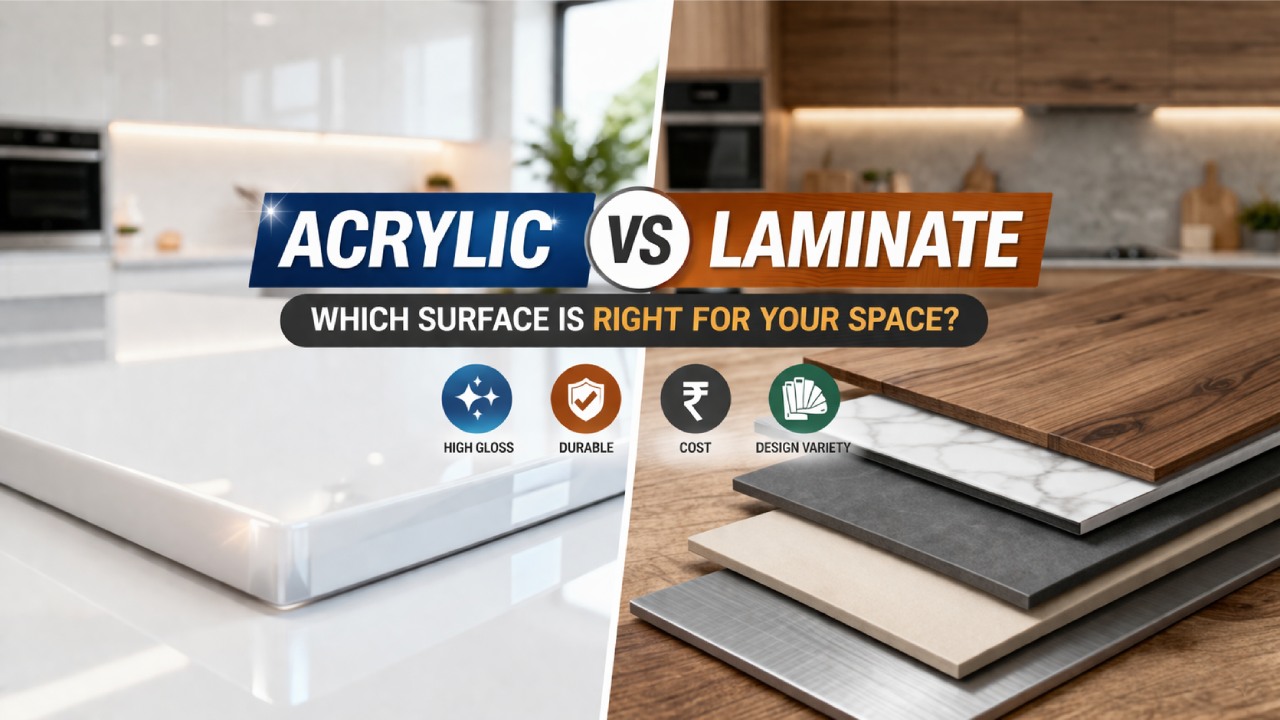
Laminate offers an enormous range of colors, woodgrains, and pattern options at a lower cost point, making it a practical choice for budget-conscious projects that still want strong design variety.
Solid surface, meanwhile, offers unique design possibilities laminate can't replicate — including translucency. Stylam's Granex, for example, is available in Translucent, Semi-Translucent, and Non-Translucent design series, allowing for striking backlit countertop or wall panel effects that aren't achievable with a laminate surface.
Cost Comparison
Laminate countertops are typically the more budget-friendly option upfront, making them a strong choice for cost-sensitive residential projects or large-scale commercial fit-outs where every surface doesn't need premium performance.
Solid surface carries a higher upfront cost but often proves more economical over time in high-use or commercial settings, thanks to its repairability — a damaged solid surface countertop can frequently be restored rather than replaced, while a damaged laminate countertop usually can't.
Which Should You Choose?
Choose laminate if:
- Budget is a primary consideration
- You want maximum color and pattern variety at a lower cost
- The application is lower-intensity (residential kitchens, light commercial use)
Choose solid surface if:
- A seamless, uninterrupted look is a priority
- The countertop will see heavy commercial or healthcare use
- Long-term repairability and hygiene matter more than upfront cost
- You want design options like translucency that laminate can't offer
Stylam's Solid Surface Range
Stylam's Solid Surfaces collection includes Granex, a seamless, non-porous acrylic solid surface ideal for countertops, vanities, and wall cladding, and Marvella, Stylam's premium solid surface line for high-end, luxury applications. For laminate countertop options, explore the full HPL range for extensive color and décor choices.
Final Thoughts
There's no universal winner in the solid surface vs laminate countertop debate — the right choice depends on your budget, the intensity of use the surface will see, and how much you value a seamless finish versus a wider range of design options at a lower price point. For heavy-use commercial and healthcare kitchens, solid surface's hygiene and repairability tend to win out. For budget-conscious residential and light commercial projects, laminate remains a highly practical, design-flexible choice.
If you're specifying countertops for your next project, explore Stylam's Granex and Marvella solid surface ranges, or browse the HPL collection for laminate options.
Related Reading
Not sure which countertop material fits your project? Get in touch with our technical team.